Narberth Surgery
Northfield Road, Narberth, Pembrokeshire, SA67 7AA

Understanding the GP Appointments System: A Guide for Patients
Introduction
This leaflet is intended to help you understand how the appointments system works at our practice so that you can be seen most effectively. Our aim is to see any patient who has a health problem within a timespan that is appropriate for that problem. As a practice we undertook more than 2500 face to face consultations in the first quarter of this year for our population of more than 9000 registered patients. Some of these consultations are for new illnesses whilst others are for continuing problems, with more than 90% of all medical care being provided in general practice.
It can therefore be a massive challenge to match the needs of individual patients to the supply of appointments.
Appointment Types
We have several different types of appointment aimed at meeting the needs of the majority of patients:
Telephone appointments. A telephone call can often save time for both patients and doctors, and we are developing telephone consultations as a means of improving efficiency.
Urgent (same day) appointments. These are intended for problems that need to be dealt with as a matter of medical urgency. Please phone early in the day if you genuinely require one of these appointments.
Pre-bookable appointments. We aim to offer an appointment within two weeks for people with problems that are not urgent but need reasonably quick attention. These appointments become available on a rolling basis and so it is not necessary to phone at any particular time of day to be given one of them. You will be offered an appointment with the first available GP, not necessarily the one of your choice.
Routine appointments. These can be booked several weeks in advance and are best suited to follow-up of continuing problems with a doctor of your choice.
Nurse appointments. Our nurses can deal with a range of common problems including monitoring long term health conditions.
Home visits. Given that a doctor can see three or four patients in surgery in the time that it takes to do a single visit, home visits are restricted to patients who are genuinely unable to get out of their home.
Same Day Child Access: The surgery has a policy in place to assess and/or see acutely ill children the same day. Please call the surgery should your child require an appointment that cannot wait until the following day.
Making Appointments
There are several different ways of making an appointment including the following:
In person. We are happy to make appointments at the reception desk although it can sometimes be very busy as other patients will be wanting to check in or have other requests.
By phone. This is still the most popular way of making an appointment although our lines can sometimes be very busy depending on the number of patients phoning.
With the exception of urgent appointments all appointments can be made online, and this has the advantage that you can access them even when the surgery is closed. You need to register at reception initially in order to get access to the online service.
10 tips to help us to help you get the most out of the Appointment System
Is it ‘urgent’? Please don’t request an urgent (same day) appointment unless you consider your problem to be medically urgent. If you are not sure, then you can ask to leave a message for one of the doctors to phone you back to assess your situation. Inappropriate requests for same day appointments mean that it is more difficult for patients with genuine urgent problems to be seen.
Think ahead. If you have a long-term medical condition or you take regular medication then you will need to be seen periodically for review, usually every six or twelve months. Please try to book these review appointments well in advance so that you can see the doctor (or nurse) of your choice. Appointments can usually be made up to eight weeks in advance.
Turn up … or cancel. Please don’t miss an appointment that you have booked. This is wasted time that could have been used for another patient. If you can’t make an appointment or need to change it then let us know.
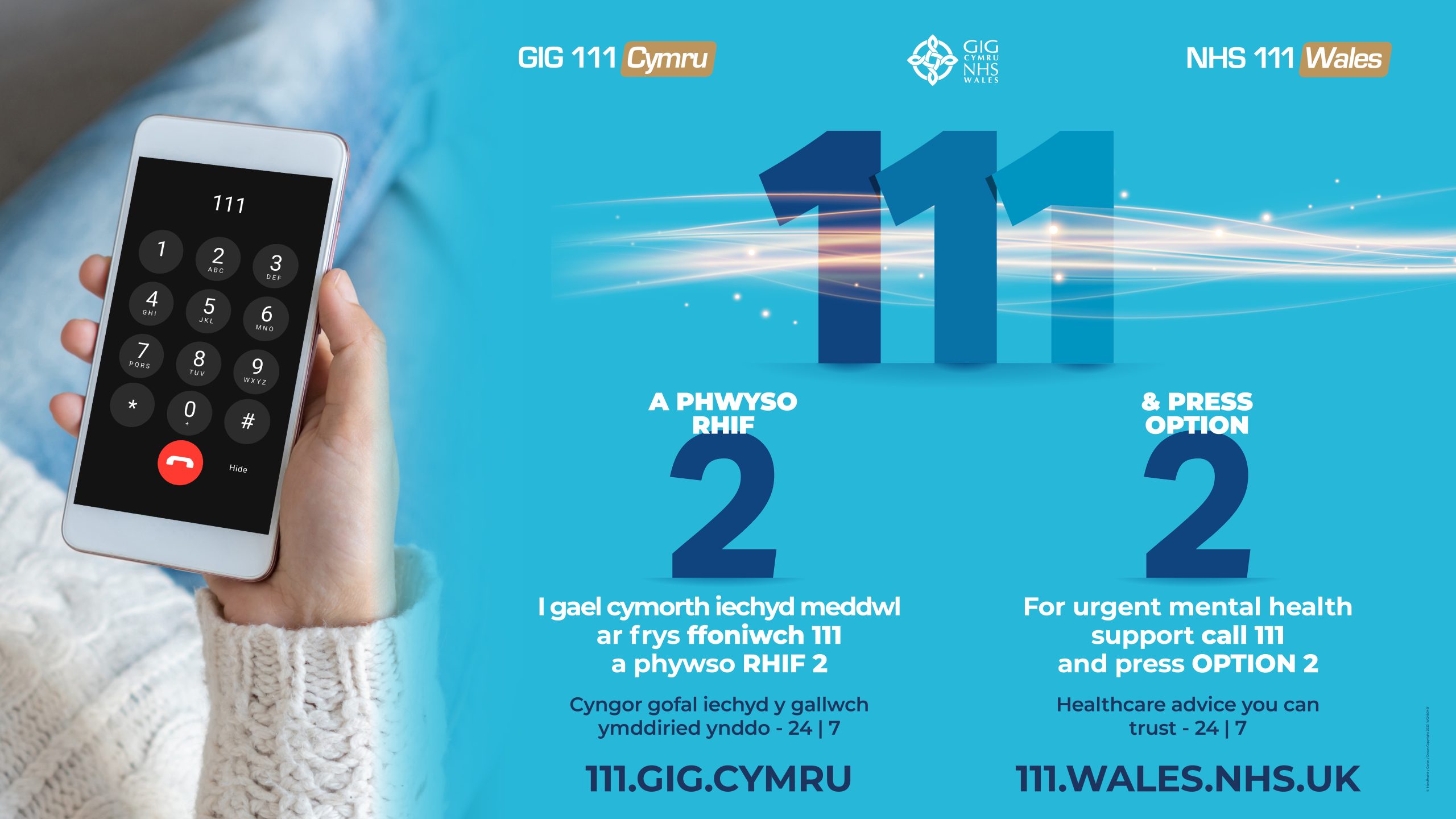
Can anyone else help? Before you make an appointment, please think about whether there are any other services that might be more appropriate. For example, remember that pharmacists are trained to give advice about minor health problems and answer any questions about your medicines and treatment. The NHS 111 system is also available to guide you to appropriate sources of advice. Have you checked the practice website for signposting to other healthcare providers and third sector support affiliated to the practice?
What’s the problem? Understandably many people are reluctant to tell a receptionist about the reason that they want to see a doctor. However, our reception staff are more likely to be able to guide you in the right direction if you give them a rough idea about your problem. All our staff have a responsibility to treat your information confidentially, and we take this very seriously.
Go online. You can book routine appointments with a doctor online, as well as ordering repeat prescriptions. Online services are available 24 hours a day so you can use these services at your convenience. Using the online services also reduces demand on reception staff during the day so everybody gains. You will need to register to be able to do this and reception staff will be happy to give you more information.
Telephone consultations. If you have a simple problem or question, then it may be possible to sort this out over the phone. Ask the receptionists to take a message and we can call you back. However please check that we have your correct phone number and you let us know if there is a best time to call.
Continuing care. If you have an ongoing problem, then please try to see the same doctor for each appointment. This means that you don’t have to keep on repeating your story and enables the doctor to build up a better picture of what is going on. If you have been for a consultation and been told that you need a follow-up appointment, then try to make it before you leave the surgery.
Multiple problems. A routine appointment is for 10 minutes. During that time the doctor needs to read up on your records, get you from the waiting room, deal with your problem(s), and write up the records. If you have more than one problem, then it may not be possible to deal with it in a single appointment. Ask the receptionist if you think that you may need more time.
Be patient. Please understand that the receptionists and clinical staff are trying to meet the needs of thousands of patients, each of whom is very important. Although we want to offer personal, patient-centred care, we are often stretched to the limit. Please try to be understanding if things are not completely to your satisfaction. Finally, although our reception staff will always do their best to offer you an appointment that meets your needs when you contact us, if one is not immediately available then you will be invited to leave a message so that the doctors can decide on the best way to deal with your problem